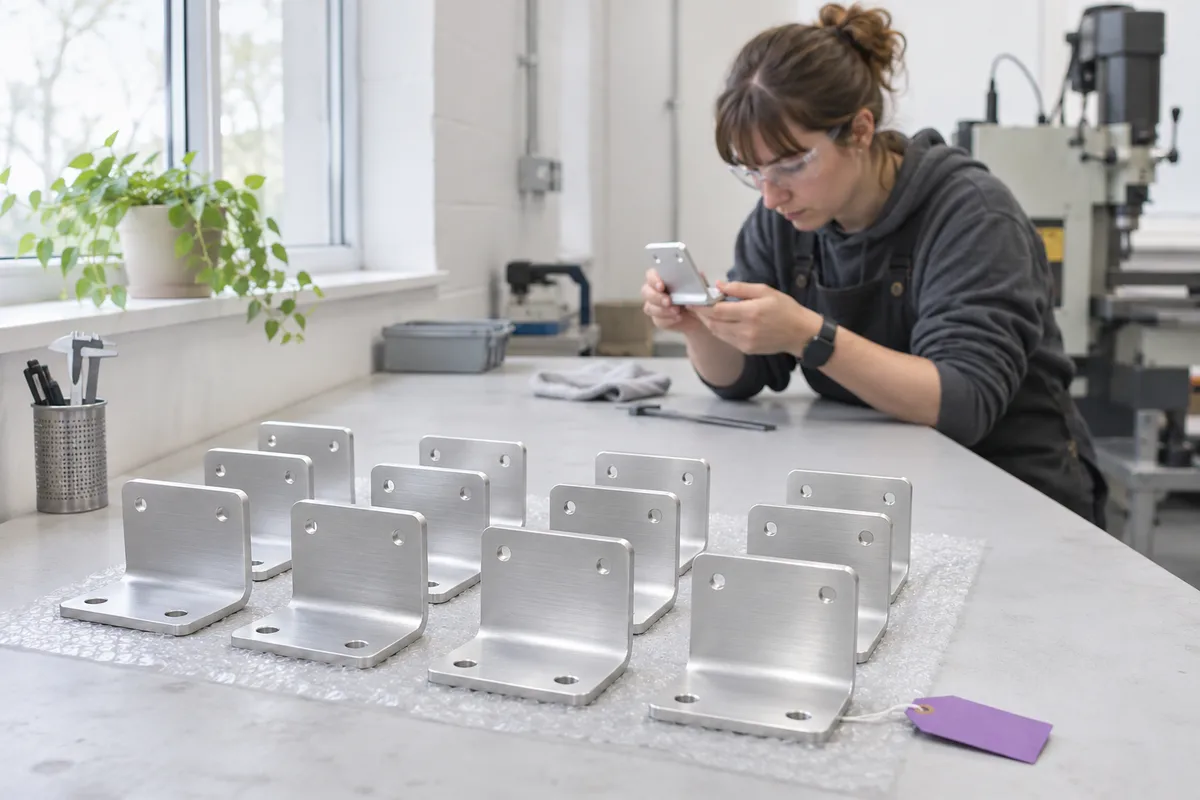
There is a particular kind of business the startup world sometimes calls boring. It might manufacture specialist components, maintain commercial buildings, provide payroll software, transport goods, advise local companies, run a care service or sell something useful from the same premises for twenty years. Its founder may never announce a funding round. There may be no dramatic launch, investor deck, podcast appearance or claim that the company intends to disrupt an industry. The business simply works.
That can sound unremarkable in an economy fascinated by rapid growth. Yet at the start of 2025, small and medium-sized enterprises employed around 16.9 million people in the UK private sector and generated roughly £2.8 trillion in turnover. Around three quarters of SME employers were family-owned in the latest available Small Business Survey analysis. These businesses are not a side story in the British economy. They are much of it. The problem is that our language around entrepreneurship does not always reflect that. A company that raises millions of pounds is described as ambitious. A company that grows steadily, remains profitable and employs twenty people for thirty years may be described as a lifestyle business. That is a strange hierarchy.
There is a huge difference between not being spectacular and not being valuable. A commercially sound business can give its founder a good living. It can support a mortgage, holidays, children and a pension rather than consuming household savings indefinitely in pursuit of something that may happen later. If it employs people, its contribution spreads further. Those employees take wages home, build careers, gain skills and create security for their own families. The business buys from suppliers. It pays rent. It purchases equipment and professional services. It pays tax. It serves customers who presumably keep buying because the company continues to solve a problem they actually have. None of those things require a billion-pound valuation. They require a business that works.
That does not mean these companies stand still. One of the misconceptions attached to the phrase "boring business" is that stability somehow means stagnation. A durable company can improve constantly. It might install better machinery, automate an inefficient process, introduce new software, refine its pricing, train employees, expand into another location or add a service that existing customers already need. Its growth may be 5 per cent or 10 per cent rather than tenfold. But repeated over years, modest improvements can accumulate into substantial capability. Knowledge develops. Customer relationships deepen. Processes improve. Reputation builds. The founder becomes better at recognising what works and what does not. Employees understand the business and the market more deeply. That accumulated knowledge rarely appears in a headline.
It is nevertheless valuable. Longevity creates another form of value too. Established businesses gradually become part of the wider commercial ecosystem around them. A dependable supplier gives customers confidence to build processes around it. A reliable customer gives suppliers greater confidence to invest in capacity. A long-standing adviser understands a client's history. An established employer retains skills and experience within a local economy. The relationship itself begins to carry value. If you buy business-critical software, for example, you are not only interested in what the software does today. You also care whether the company behind it is likely to exist when you need support, when regulations change, when something breaks or when your own business grows. Reliability becomes part of what you are buying.
That same principle exists throughout the economy. A durable business does not merely survive. Over time, it can become a dependable supplier, client, customer or employer that other businesses are able to plan around. That matters because economies are networks of relationships, not collections of isolated companies. But durability should not be romanticised either. A company can trade for thirty years and still become complacent. Family ownership does not guarantee good management. Markets move, technologies change and customers leave. Longevity has to be earned. The point is not that old businesses are inherently better than new ones. It is that a company which repeatedly remains commercially useful has demonstrated something valuable that cannot be manufactured through branding, fundraising or visibility. Customers have continued choosing it.
Its economics have continued to work. It has adapted enough to remain relevant. And it has remained useful long enough for people and other businesses to begin depending upon it. This matters particularly now because starting a company has become remarkably easy. A website can be created in hours. Software can be assembled quickly. Branding, content and basic business infrastructure cost a fraction of what they once did. It has never been easier to create something that looks like a business. Becoming a business is harder. Remaining one is harder still. That is why the businesses nobody brags about deserve more attention. A profitable engineering company employing fifteen people is not an unsuccessful technology startup.
A local services company operating successfully across three towns is not an underachieving unicorn. A professional practice supporting its owners, its employees and its clients for twenty-five years has not somehow failed because nobody wanted to invest in it. It has become economically useful. Perhaps we should stop asking every new business how enormous it might become and spend a little more time asking whether it can become something customers continue to need, people can build livelihoods around and other businesses can confidently depend upon. Britain should absolutely continue producing ambitious technology companies, global businesses and the occasional extraordinary success. But those cannot be the only businesses we value. Most economies are not held together by extraordinary companies alone.
They are held together by millions of ordinary ones doing useful things, making sensible commercial returns and continuing to turn up. The startup world may not have much to say about them.
The economy has a great deal to thank them for. If you are starting something new, are you measuring it by how impressive it looks today, or by what would make it useful and durable enough for people to depend on tomorrow?